
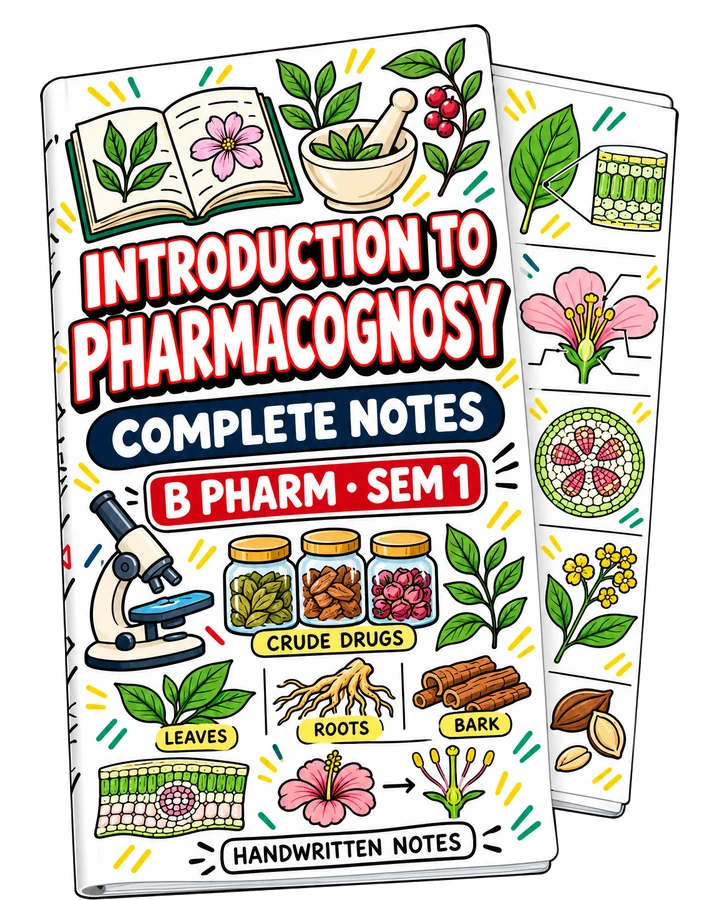
B Pharm · PCI syllabus · Handwritten PDF notes
B Pharm Semester 1Introduction to Pharmacognosy Notes
Instant PDF download after payment. Pay once, keep forever.
- Instant download
- Lifetime access
- UPI, GPay, PhonePe, cards
Watch before you buy
Students on All Notes PDF
Real students talking about how they revise with our handwritten notes.
How it works
Get your notes in 3 easy steps
No app, no waiting. The whole thing takes under a minute.
- STEP 110 sec
Choose your notes
One subject, any two, or a full class set.
- STEP 230 sec
Pay with UPI or card
GPay, PhonePe, Paytm or card. Pay once, no subscription.
- STEP 3Instant
Download your PDFs
Tap Download on any chapter. Links never expire.
- Log in
- My library
- Download
Complete coverage
All 16 chapters, one PDF each
See every downloadable PDF included with B Pharm Semester 1 Introduction to Pharmacognosy, organised chapter by chapter.
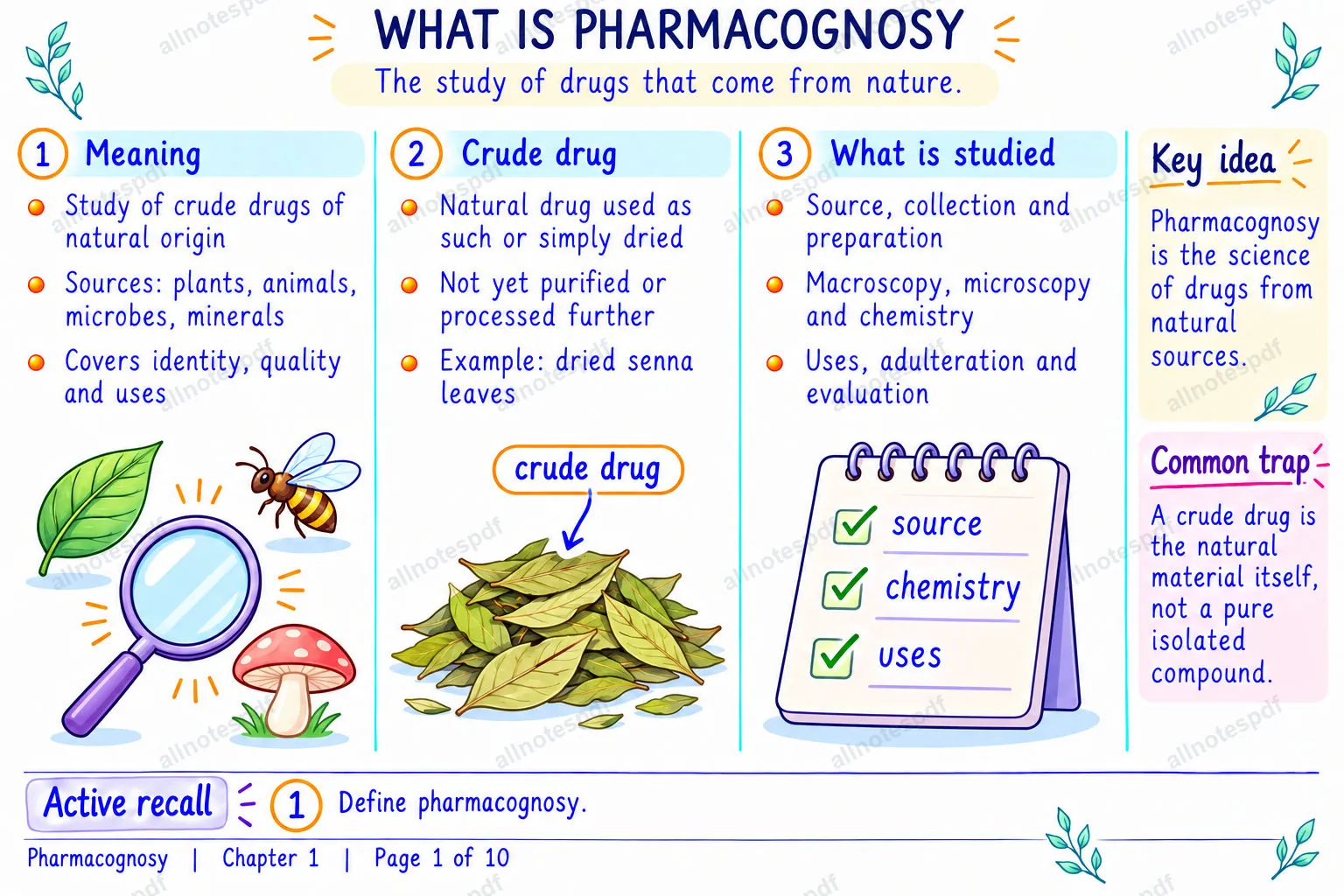
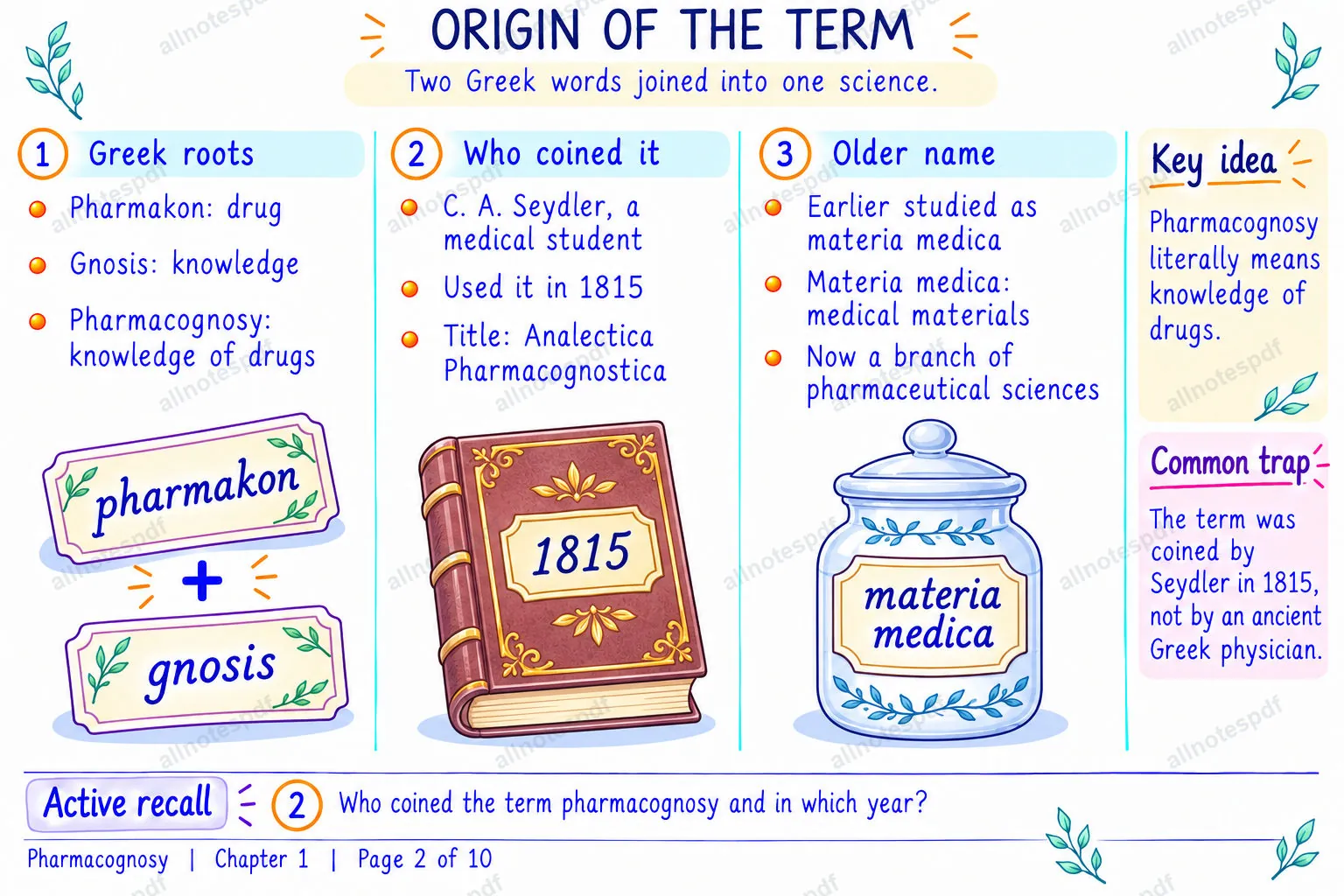
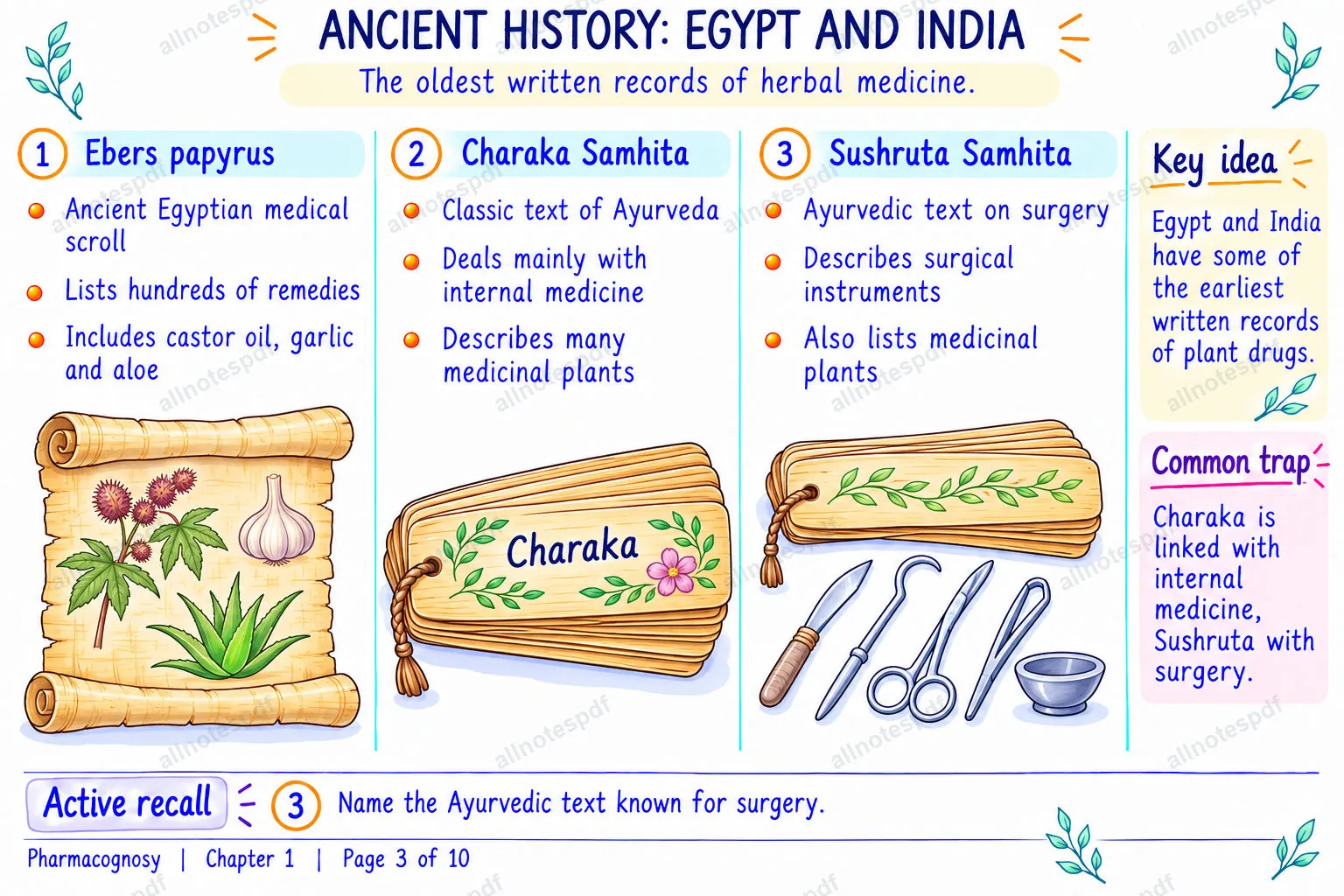
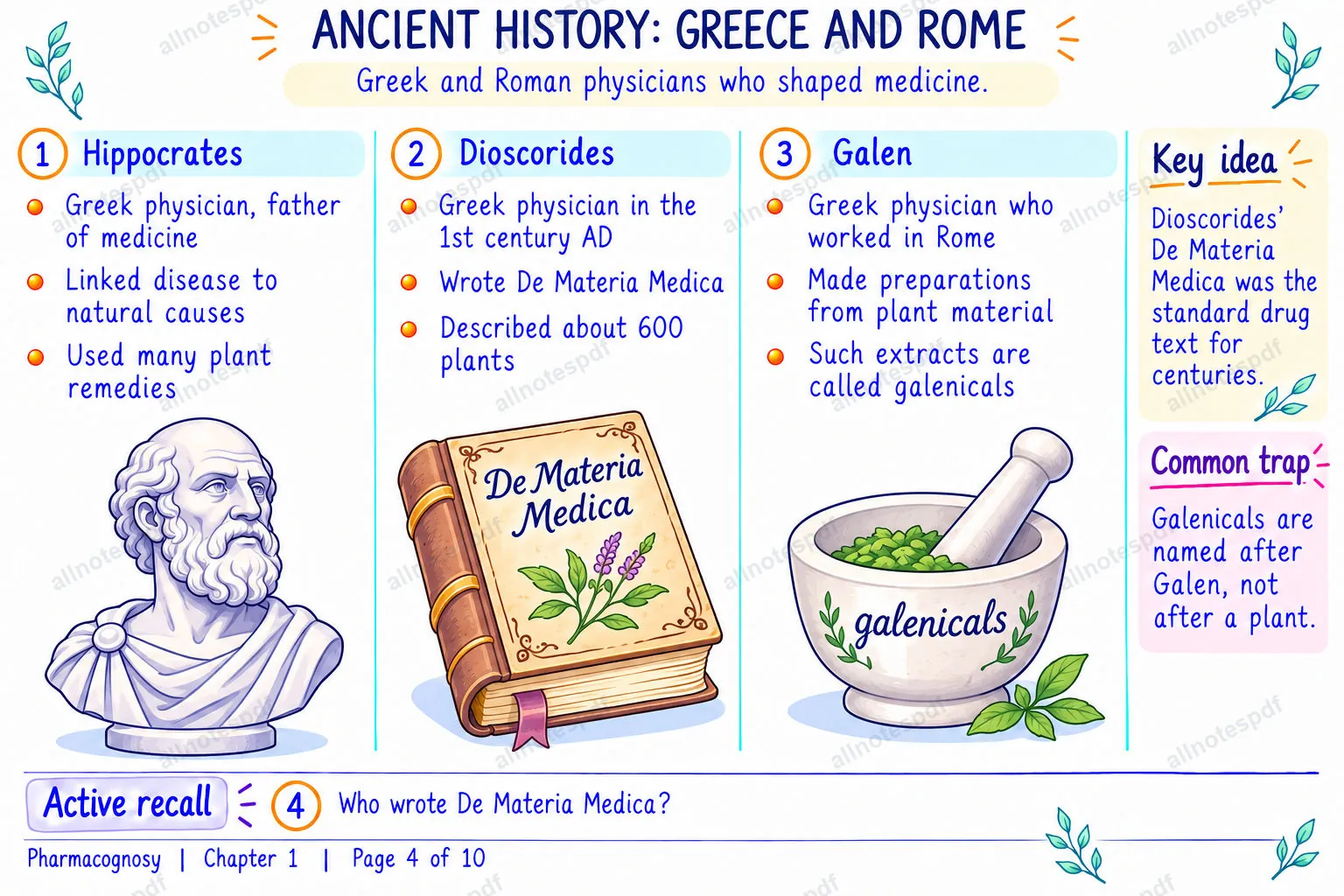
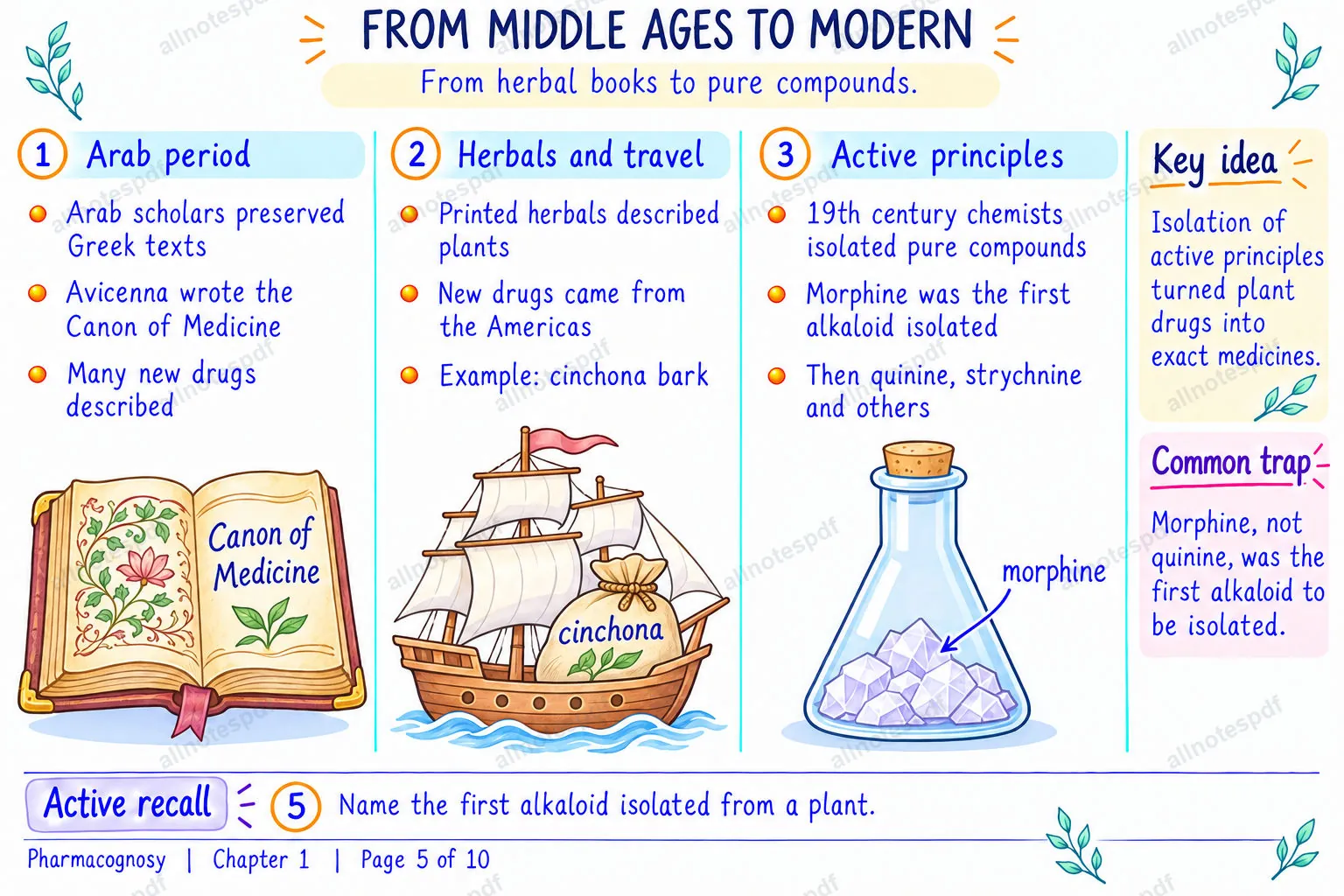
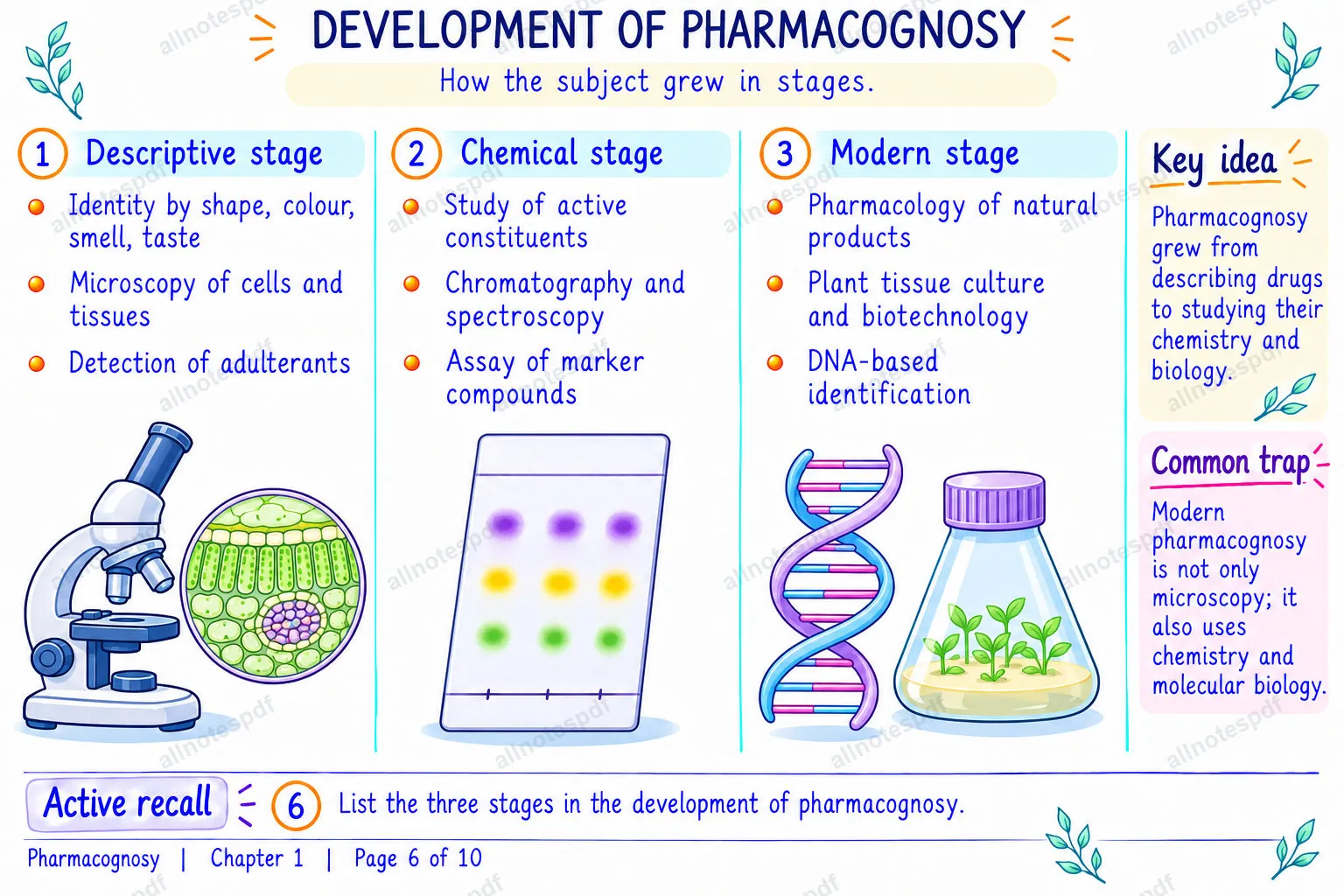
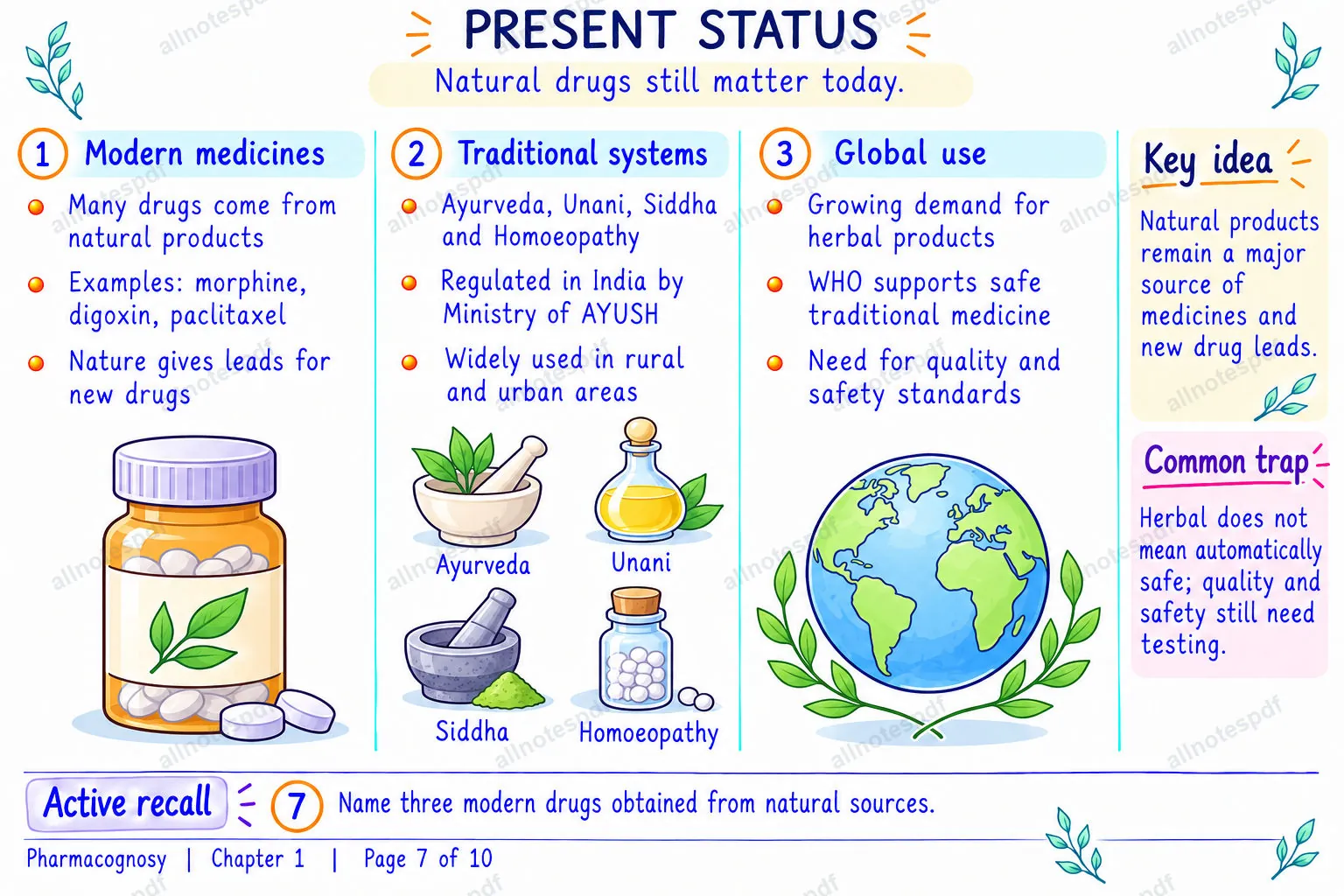
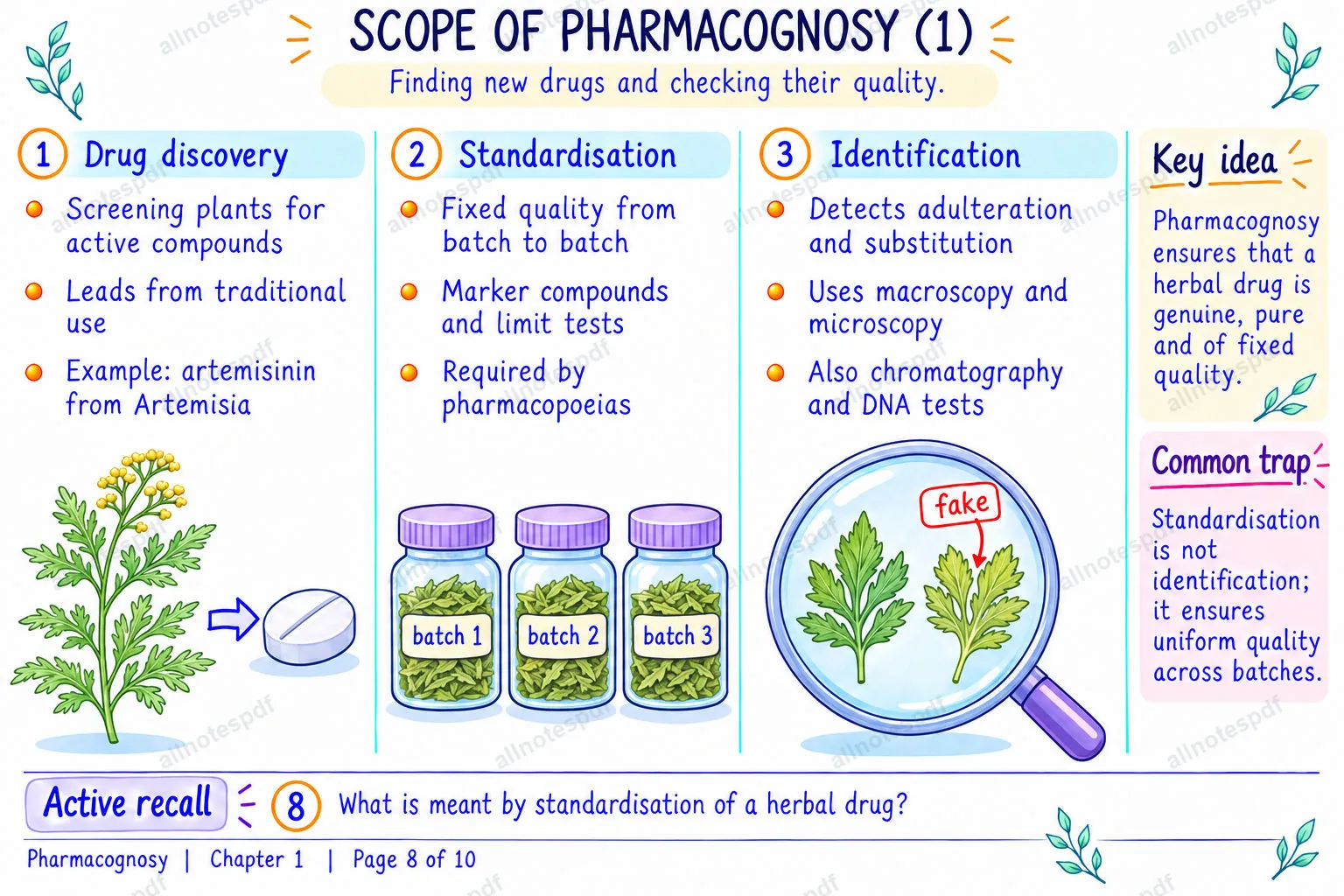
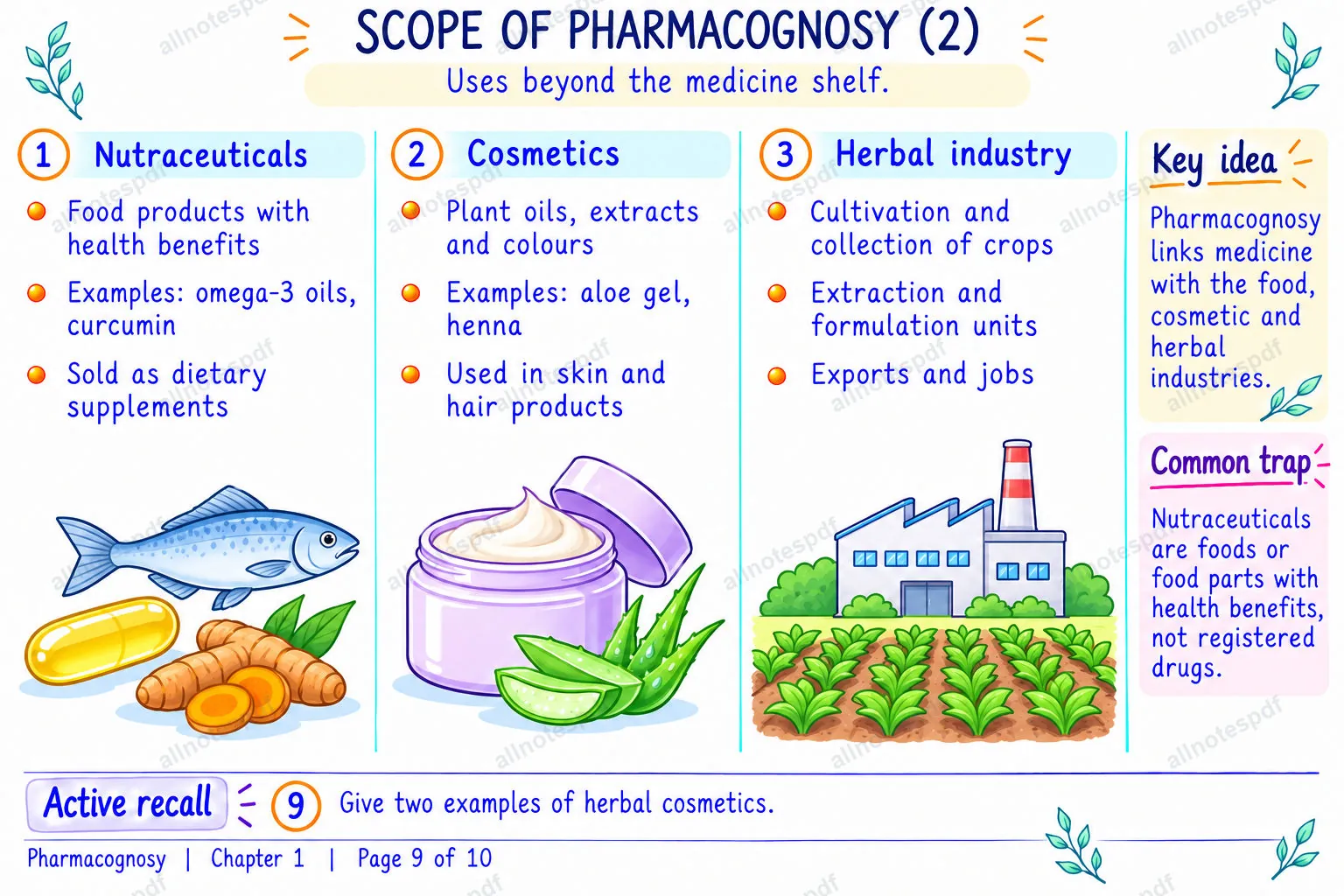
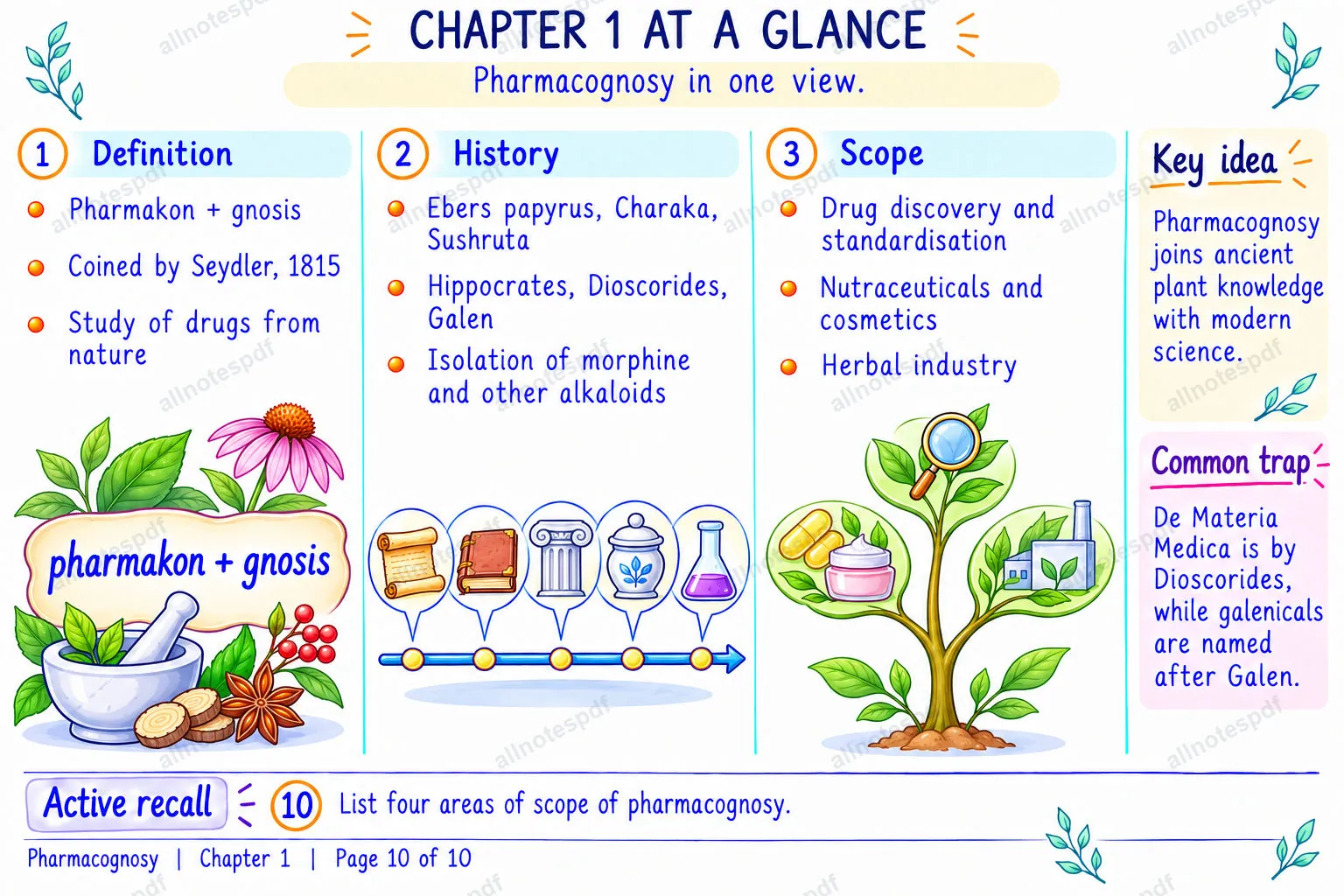
Covers pharmacognosy: definition, origin of the term, ancient and modern history, development, present status and scope.
Covers sources of drugs: plants, animals, microbes, marine organisms, minerals and plant tissue culture, with standard examples.
Covers natural product milestones: morphine, quinine, aspirin, warfarin, penicillin, cephalosporin, taxol and artemisinin.
Covers pharmacopoeias for herbal drugs: IP, BHP, USP herbal and dietary supplement monographs, API, UPI, AHP, and the contents of a herbal monograph.
Covers crude drugs: definition, official and non-official drugs, codified and non-codified drugs, and alphabetical, morphological, taxonomical, chemical, pharmacological and chemotaxonomic classification with examples.
Covers cultivation of medicinal plants: advantages over wild collection, sexual and asexual propagation (cuttings, layering, grafting, budding, micropropagation), and WHO good agricultural and collection practices (GACP, GAP, GCP).
Covers factors influencing cultivation (altitude, temperature, rainfall, soil, light, fertilisers, pests), time and method of collection, drying, garbling, packing, storage conditions and storage problems.
Covers plant hormones (auxins, gibberellins, cytokinins, abscisic acid, ethylene) and their applications, and polyploidy, mutation and hybridisation for improving medicinal plants and their secondary metabolites.
Covers need for conservation, threats, in-situ and ex-situ conservation, value addition, eco-pharmacognosy and sustainable use, and the endangered plants kutki and chirata.
Covers types of adulteration with examples, and evaluation of crude drugs by organoleptic, microscopic (qualitative and quantitative), physical, chemical and biological methods.
Covers foreign matter, moisture, ash values, extractive values, bitterness value, foaming index, haemolytic activity, swelling index, viscosity, optical rotation, refractive index, acid and saponification values, and DNA barcoding.
Covers plant metabolites, primary versus secondary metabolites, carbohydrates (acacia, agar, honey), proteins and enzymes (papain, gelatin) and lipids (castor oil, beeswax).
Covers secondary metabolites: definition and roles in plants, alkaloids, glycosides, flavonoids, tannins, terpenoids, volatile oils and resins, with examples and general tests.
Covers basic principles of Ayurveda, Yoga and Naturopathy, Unani, Siddha, Sowa-Rigpa, Homoeopathy and Traditional Chinese Medicine, AYUSH dosage forms, and the role of pharmacognosy.
Covers biological source, constituents and uses of adaptogens and immunomodulators, hepatoprotectives, cardiovascular and antidiabetic herbal drugs.
Covers biological source, constituents and uses of anti-inflammatory, CNS, antimicrobial, gastrointestinal, dermatological, women's health and respiratory herbal drugs.
What you get
- Format
- Downloadable PDF (not a printed book)
- Chapters
- 16 chapter PDFs, one per syllabus unit topic
- Syllabus
- B Pharm Semester 1, PCI NEP-2020 syllabus for Introduction to Pharmacognosy
- Style
- Handwritten-style notes with colour diagrams, flowcharts and formula boxes
- Devices
- Phone, tablet and laptop. Print any chapter if you like
- Access
- Lifetime. Download again anytime from My library
- Instant downloadRight after payment
- Free updatesCorrections added free
- Secure paymentUPI, cards, net banking