
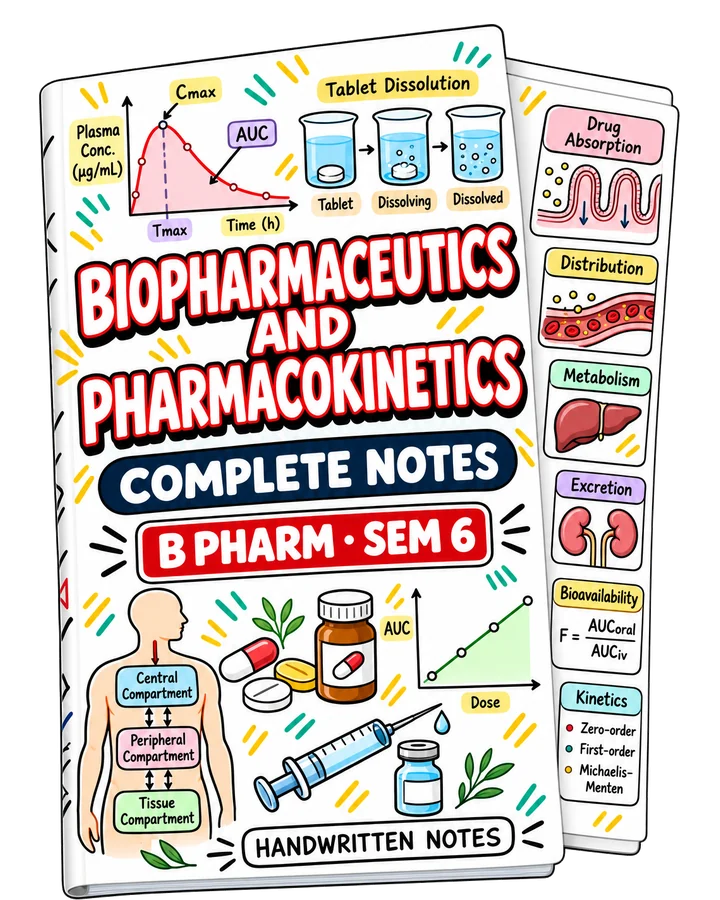
B Pharm · PCI syllabus · Handwritten PDF notes
B Pharm Semester 6Biopharmaceutics and Pharmacokinetics Notes
Instant PDF download after payment. Pay once, keep forever.
- Instant download
- Lifetime access
- UPI, GPay, PhonePe, cards
Watch before you buy
Students on All Notes PDF
Real students talking about how they revise with our handwritten notes.
How it works
Get your notes in 3 easy steps
No app, no waiting. The whole thing takes under a minute.
- STEP 110 sec
Choose your notes
One subject, any two, or a full class set.
- STEP 230 sec
Pay with UPI or card
GPay, PhonePe, Paytm or card. Pay once, no subscription.
- STEP 3Instant
Download your PDFs
Tap Download on any chapter. Links never expire.
- Log in
- My library
- Download
Complete coverage
All 15 chapters, one PDF each
See every downloadable PDF included with B Pharm Semester 6 Biopharmaceutics and Pharmacokinetics, organised chapter by chapter.
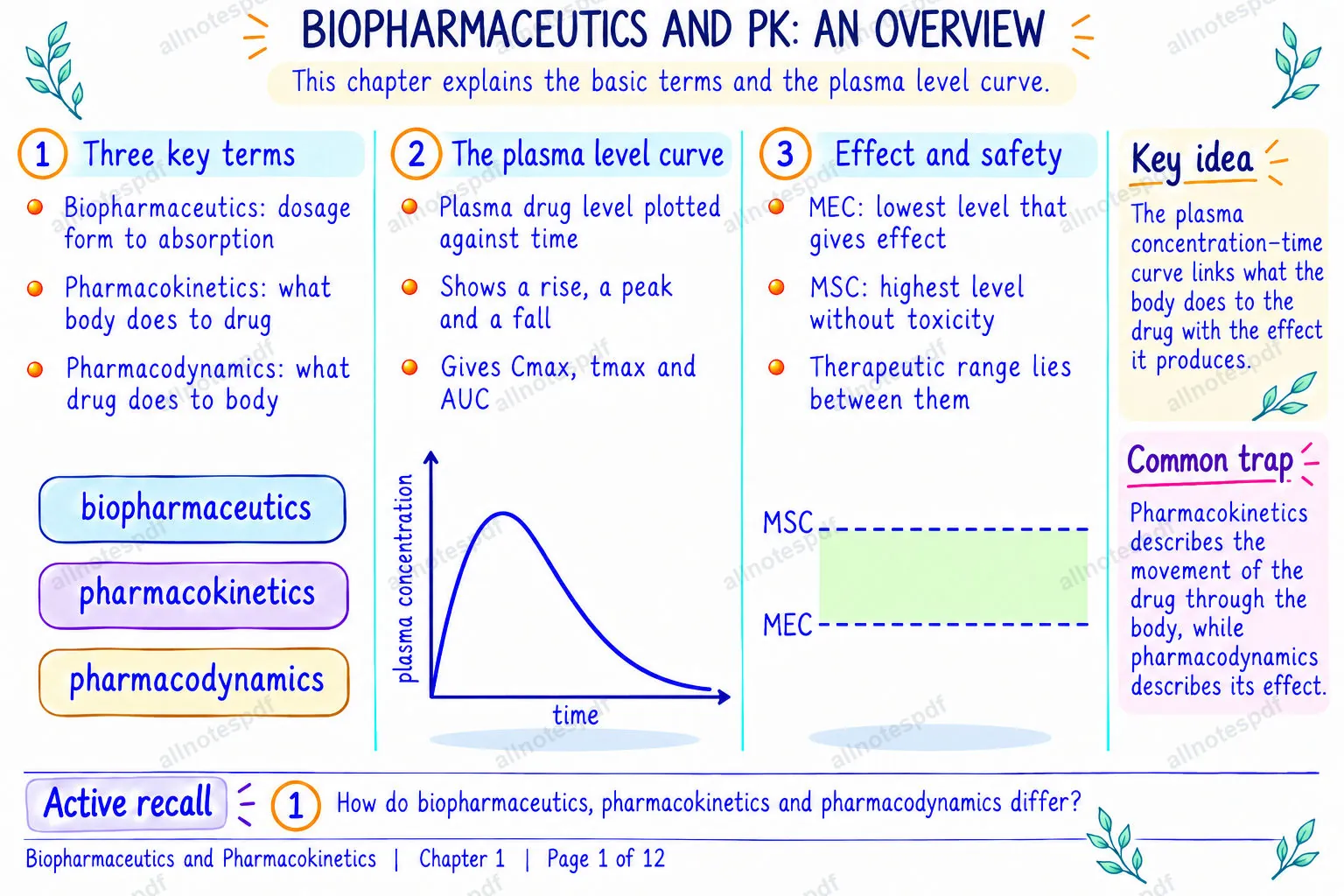
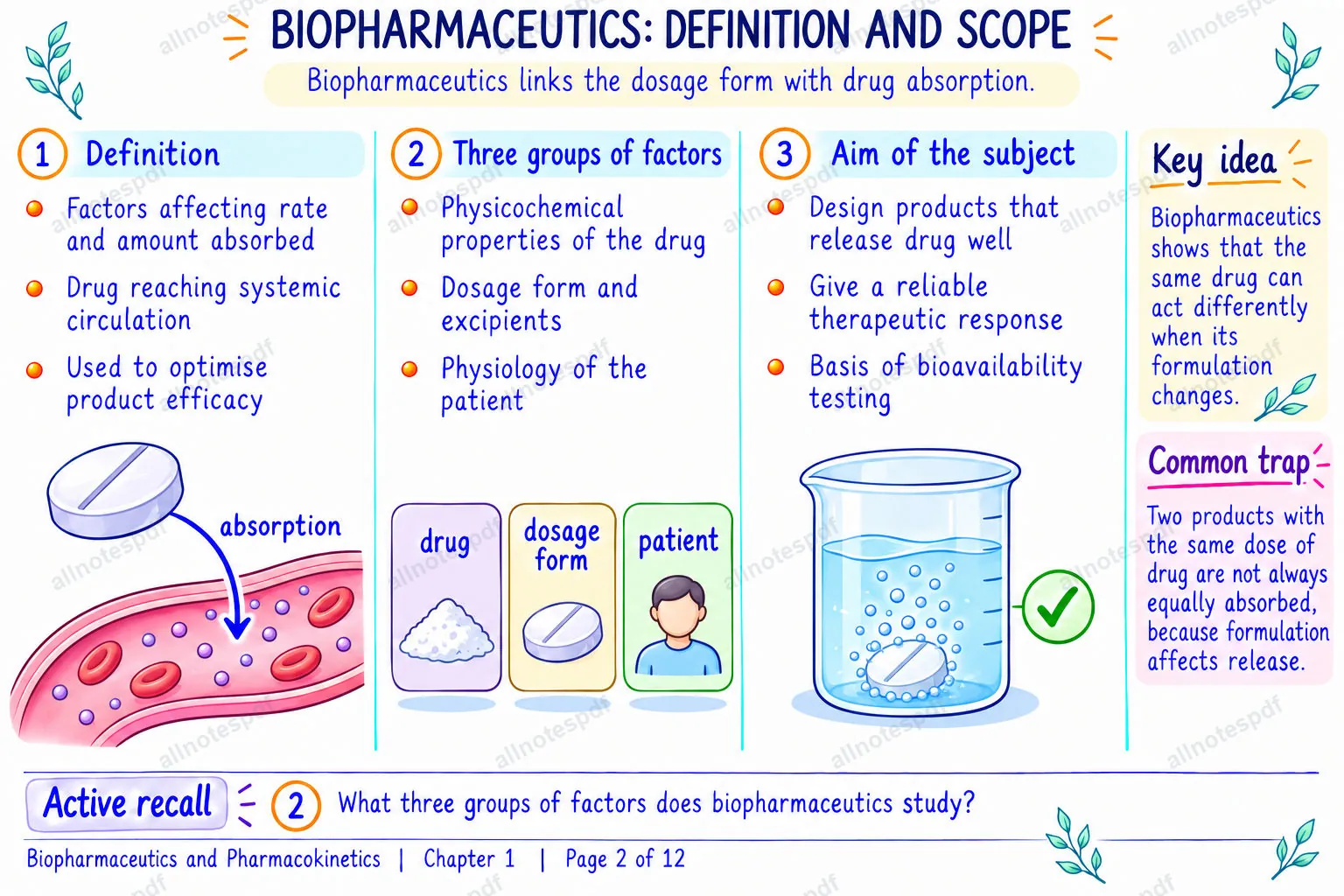
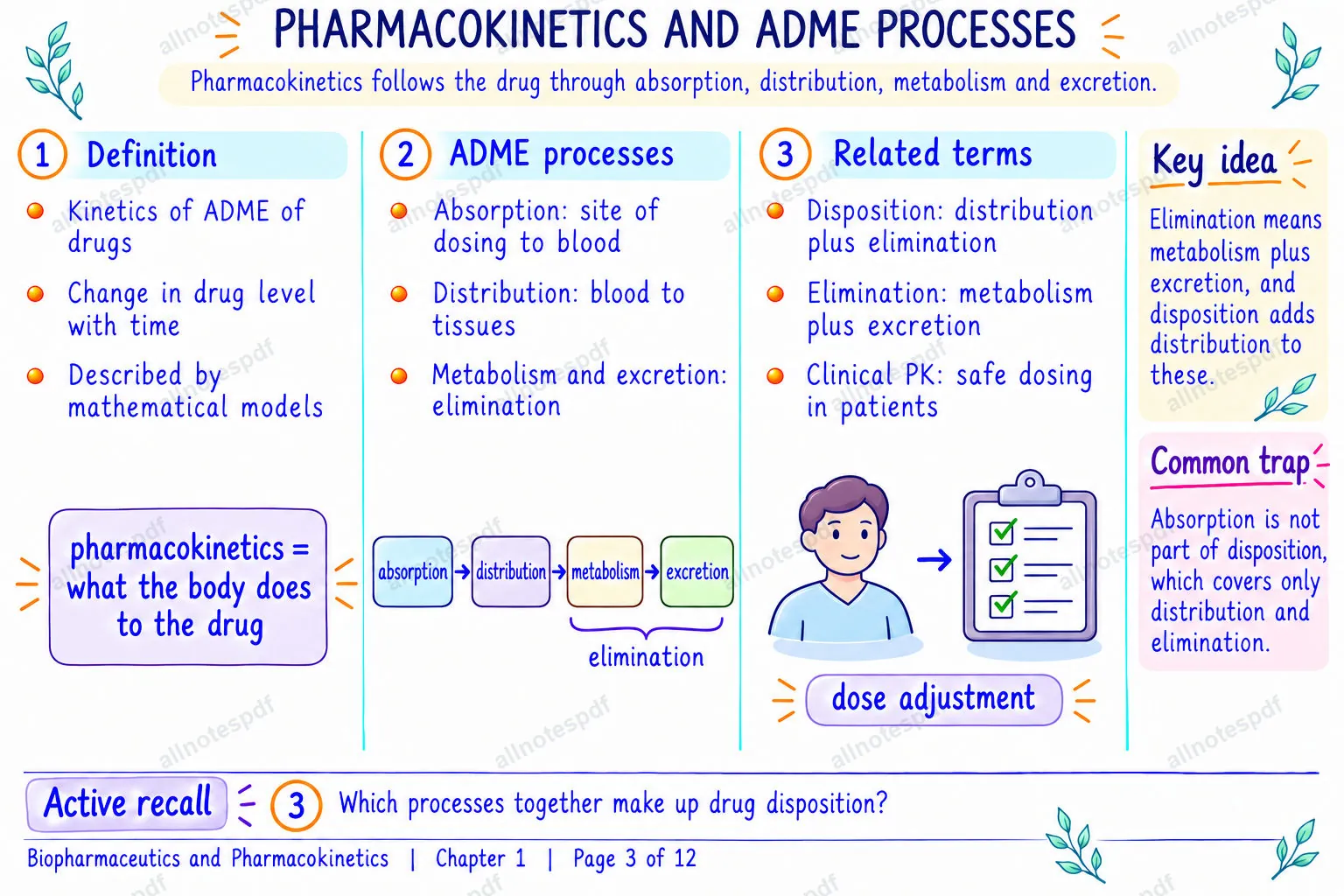
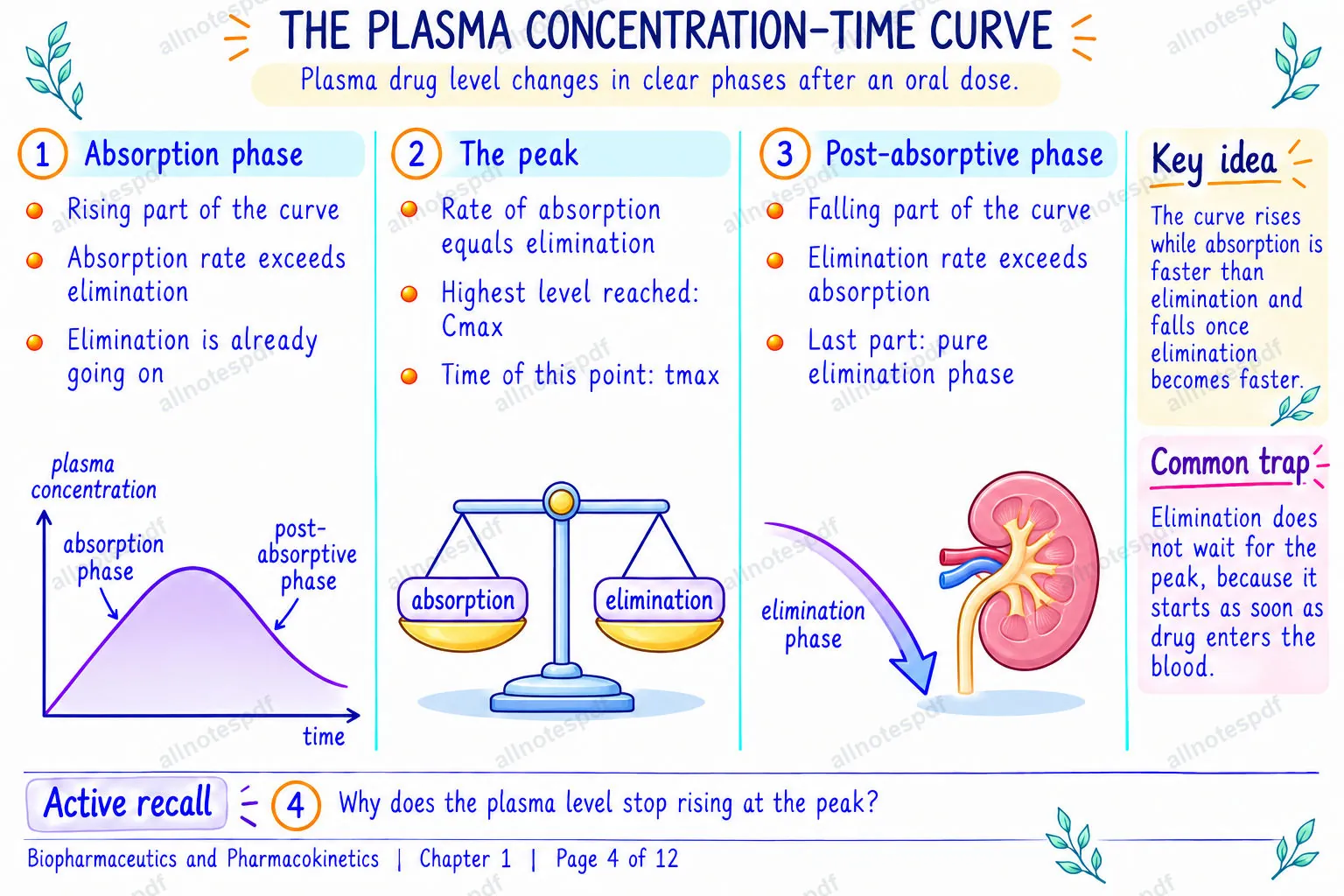
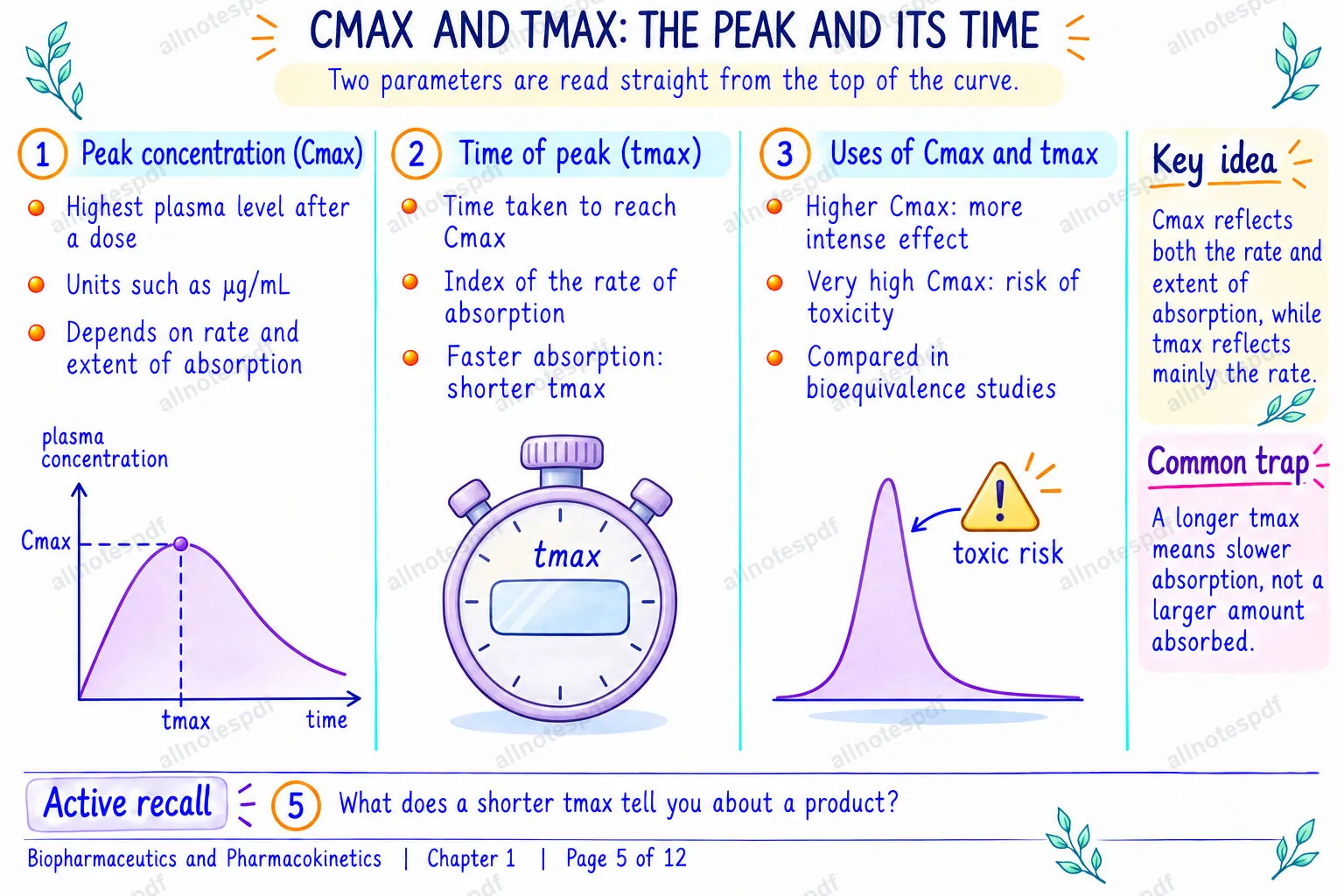
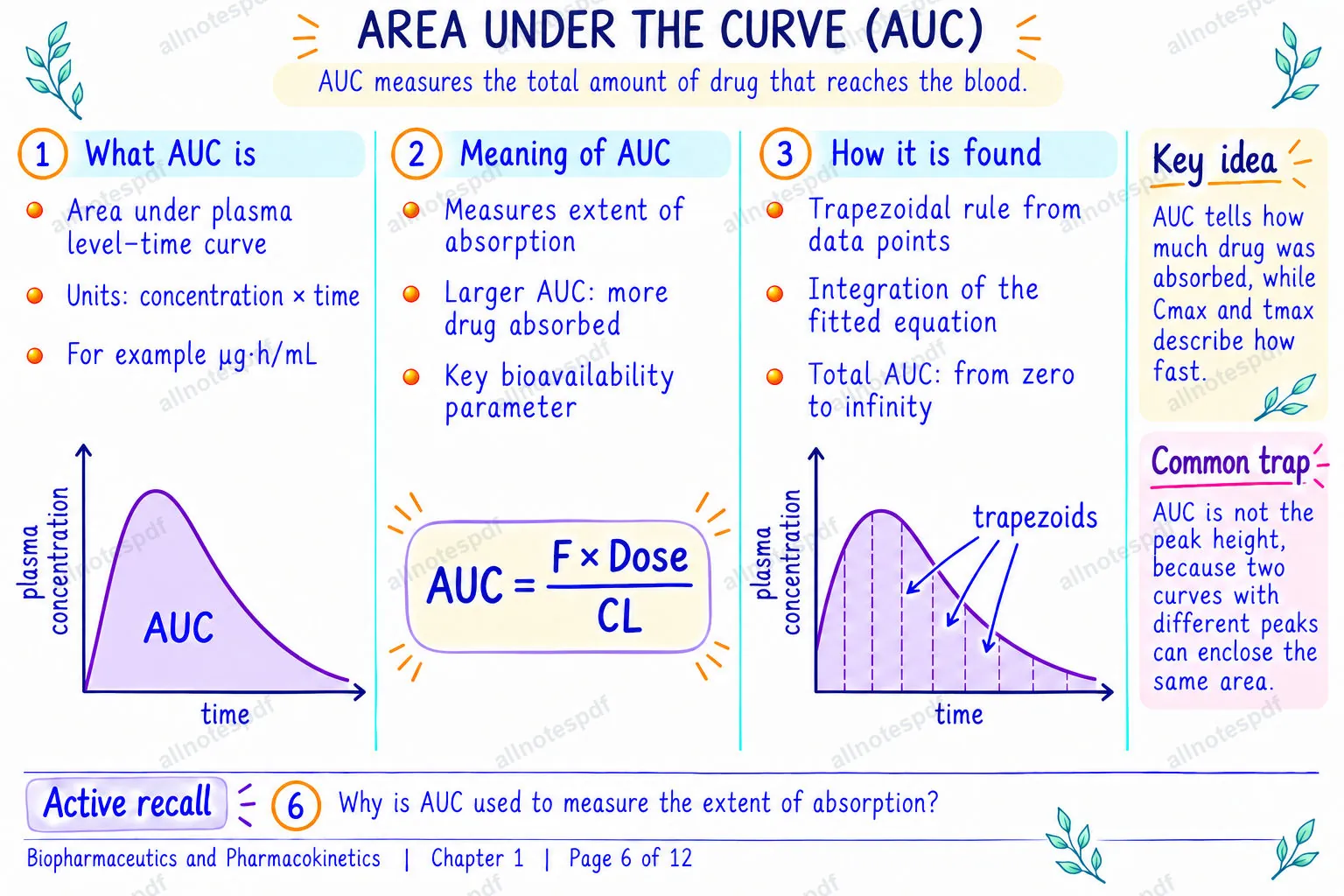
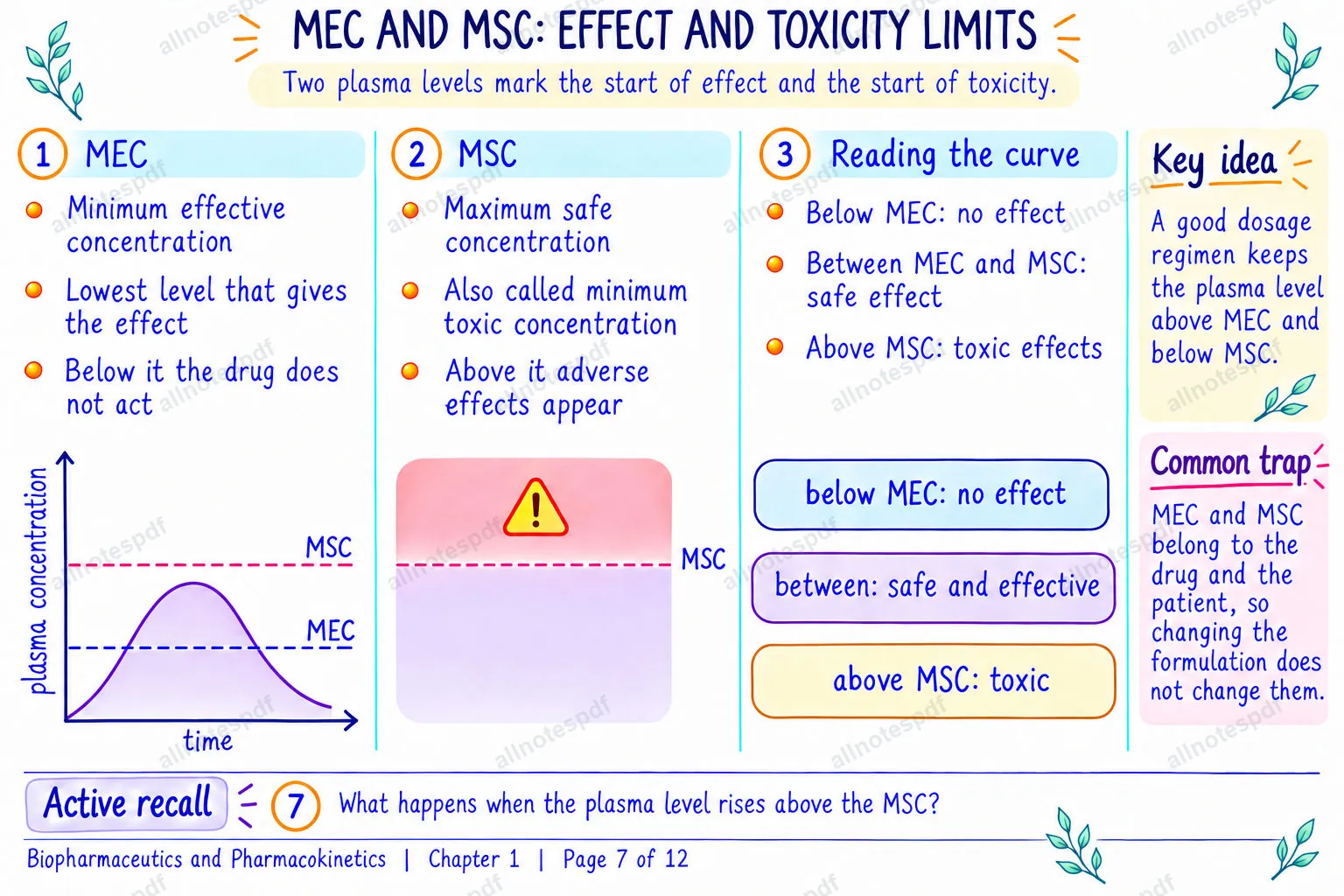
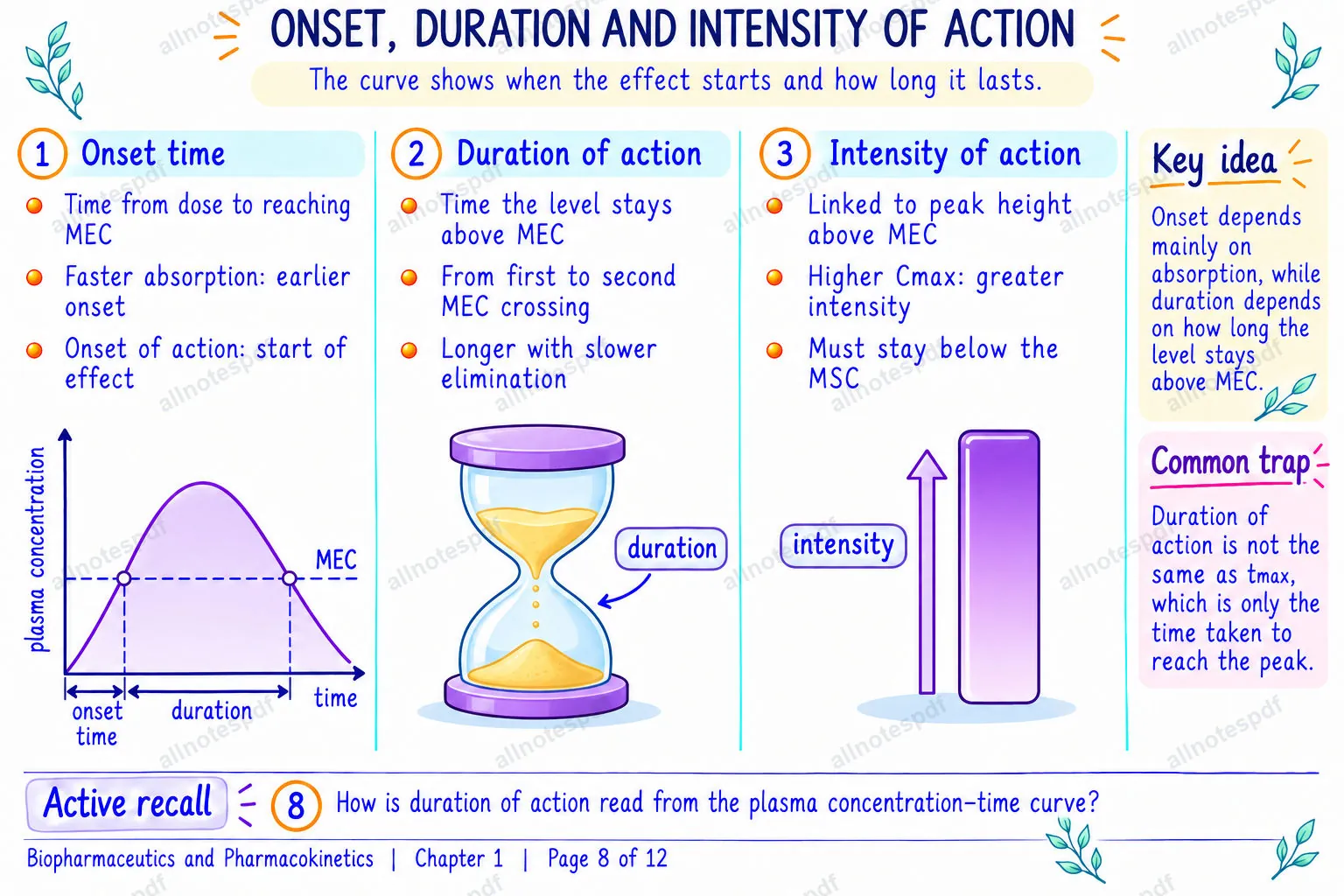
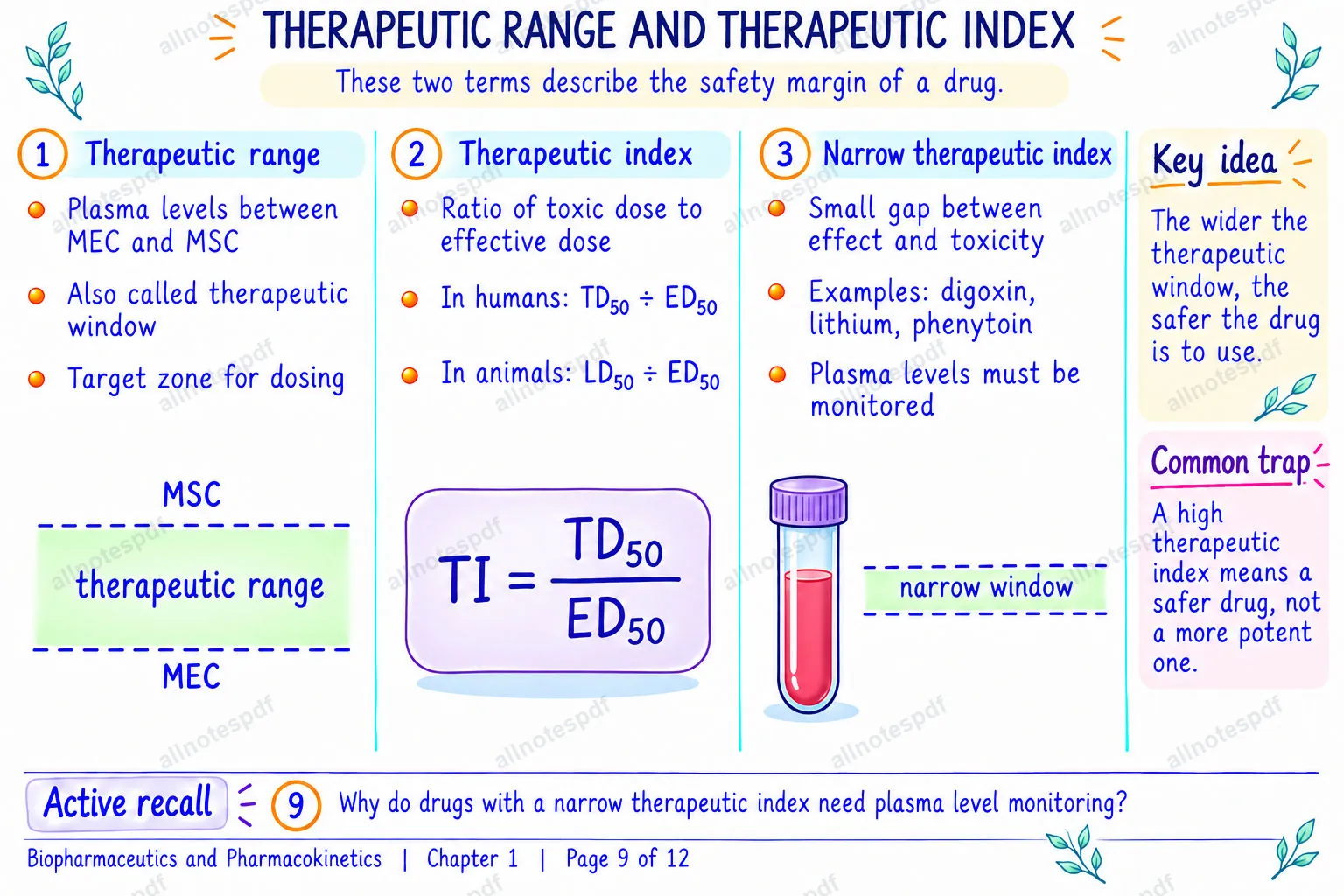
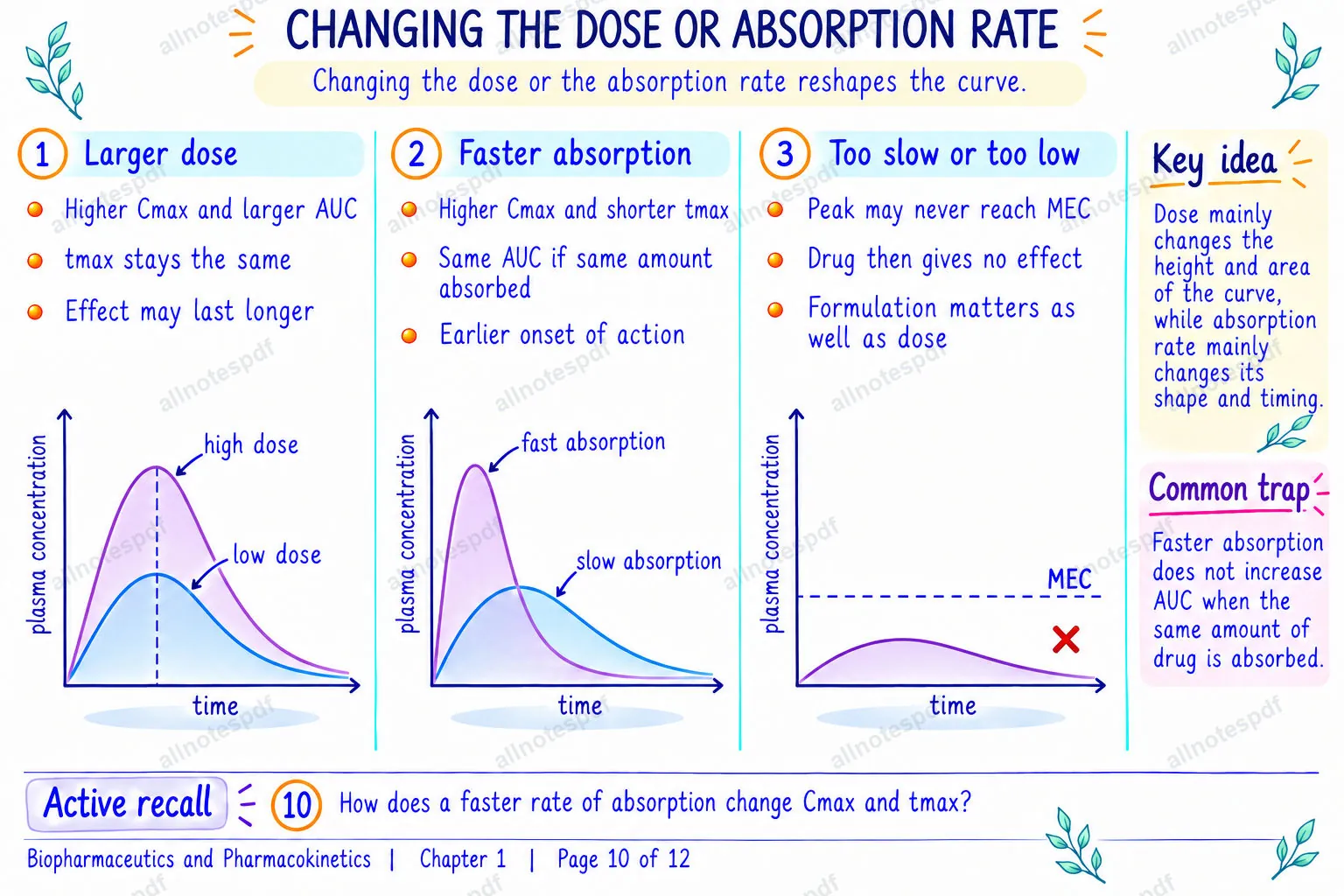
Introduction to biopharmaceutics and pharmacokinetics: definitions, ADME, the plasma concentration–time curve, pharmacokinetic parameters (Cmax, tmax, AUC), pharmacodynamic parameters (MEC, MSC, onset, duration, intensity.
Covers mechanisms of drug absorption through the GIT: structure of the GI membrane, transcellular, paracellular and vesicular routes, passive diffusion and Fick's law, pore transport, ion-pair transport.
Covers physicochemical factors affecting drug absorption: pH-partition hypothesis and its limitations, pKa and GI pH, lipophilicity, solubility and dissolution rate (Noyes–Whitney equation), particle size and effective surface area.
Covers biological and dosage form factors affecting drug absorption: gastric emptying and its factors, intestinal transit, food, GI blood flow, presystemic metabolism, disease states and age, type of dosage form, excipients.
Covers drug distribution: body fluid compartments, factors affecting distribution, tissue permeability, organ size and perfusion rate, the blood–brain, blood–CSF, placental and blood–testis barriers.
Covers protein binding of drugs: plasma proteins (albumin, α₁-acid glycoprotein, lipoproteins, globulins), blood cell and tissue binding, factors affecting binding, kinetics of binding with Klotz and Scatchard plots.
Covers drug elimination: drug metabolism with phase I and phase II pathways, renal excretion by glomerular filtration, tubular secretion and tubular reabsorption, factors affecting renal excretion.
Covers bioavailability: definition and objectives, absolute and relative bioavailability with a worked example, the Biopharmaceutics Classification System and the Biopharmaceutics Drug Disposition Classification System.
Covers bioavailability and bioequivalence study protocol (crossover design, washout, 80–125% limits), in vitro dissolution test apparatus I to VII, biorelevant dissolution media, in vitro–in vivo correlation levels A.
Covers pharmacokinetic models: compartment models with definition, basis of classification, properties, advantages and disadvantages, and the one-compartment open model after intravenous bolus with elimination rate constant, half-life.
Covers one-compartment open model for constant rate IV infusion (rate equation, steady state, time to steady state, loading dose, parameter estimation) and for extravascular dosing (absorption phase, Cmax and tmax.
Covers non-compartmental analysis: principles, advantages and limitations, statistical moment theory, AUC by the trapezoidal rule, AUMC, mean residence time, mean absorption time, mean dissolution time and estimation of clearance.
Covers two-compartment open model: central and peripheral compartments, types of model, IV bolus kinetics with distribution (α) and elimination (β) phases, the biexponential equation, method of residuals, micro rate constants, volumes.
Covers multiple dosage regimens: dosing interval, superposition, drug accumulation and accumulation index, steady-state maximum, minimum and average levels, time to steady state, fluctuation, oral multiple dosing.
Covers nonlinear pharmacokinetics: linear versus dose-dependent kinetics, tests and reasons for non-linearity in absorption, distribution, metabolism and excretion, Michaelis–Menten kinetics.
What you get
- Format
- Downloadable PDF (not a printed book)
- Chapters
- 15 chapter PDFs, one per syllabus unit topic
- Syllabus
- B Pharm Semester 6, PCI NEP-2020 syllabus for Biopharmaceutics and Pharmacokinetics
- Style
- Handwritten-style notes with colour diagrams, flowcharts and formula boxes
- Devices
- Phone, tablet and laptop. Print any chapter if you like
- Access
- Lifetime. Download again anytime from My library
- Instant downloadRight after payment
- Free updatesCorrections added free
- Secure paymentUPI, cards, net banking